The most reliable renewable is the one you can predict.
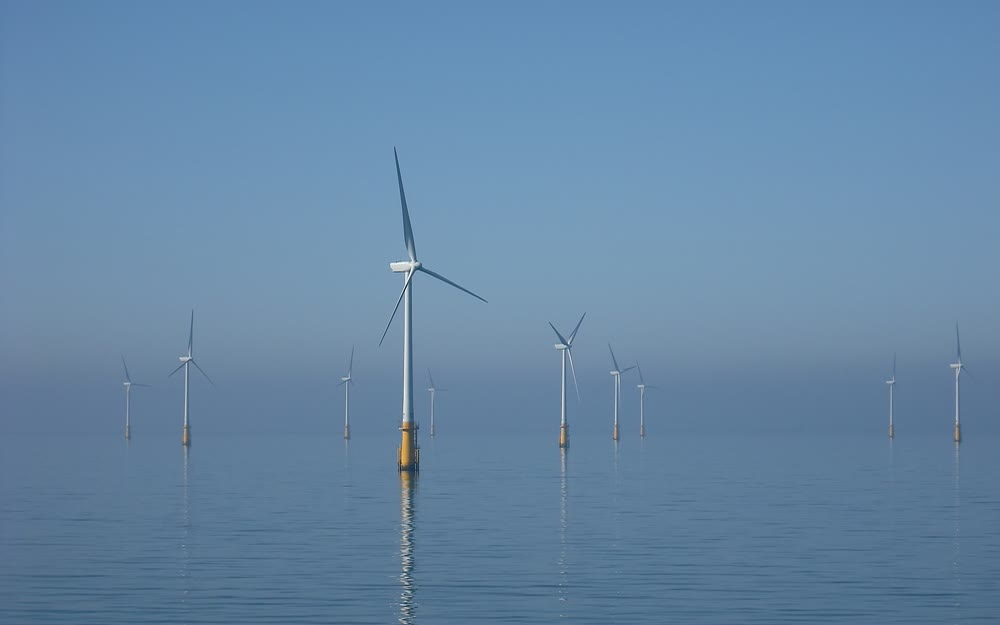
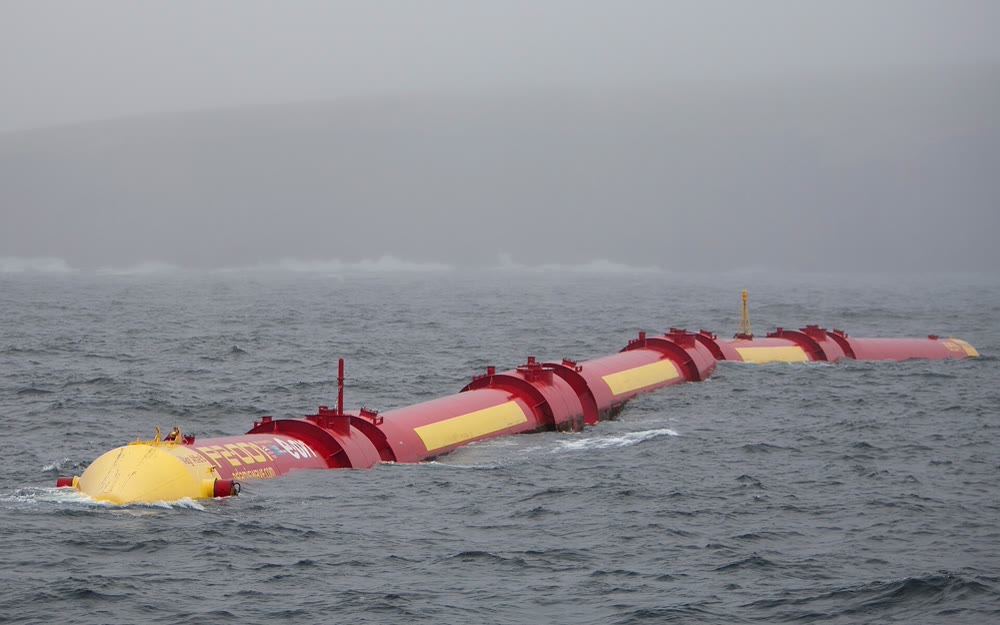
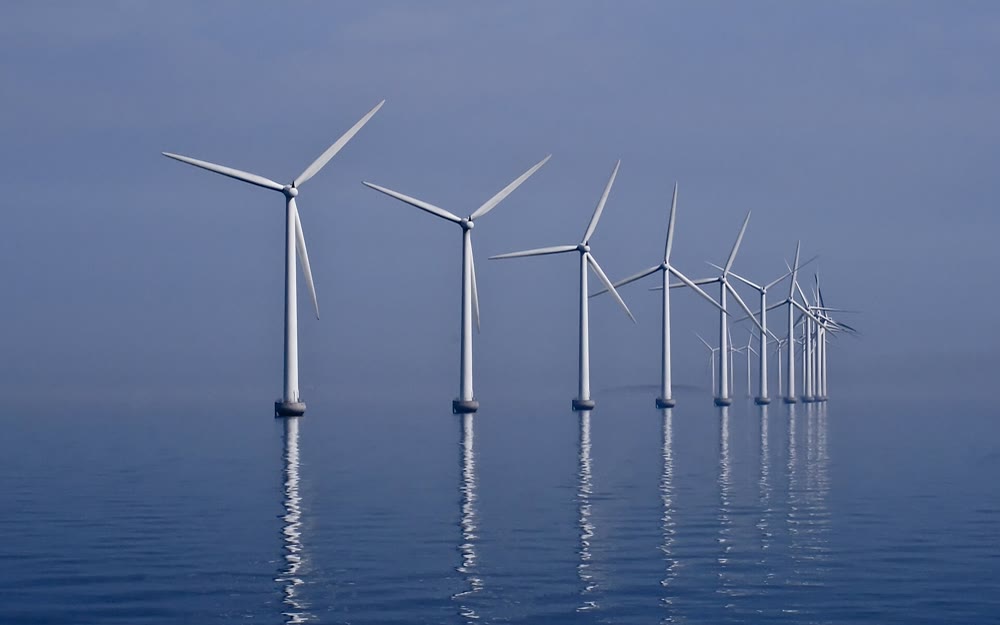
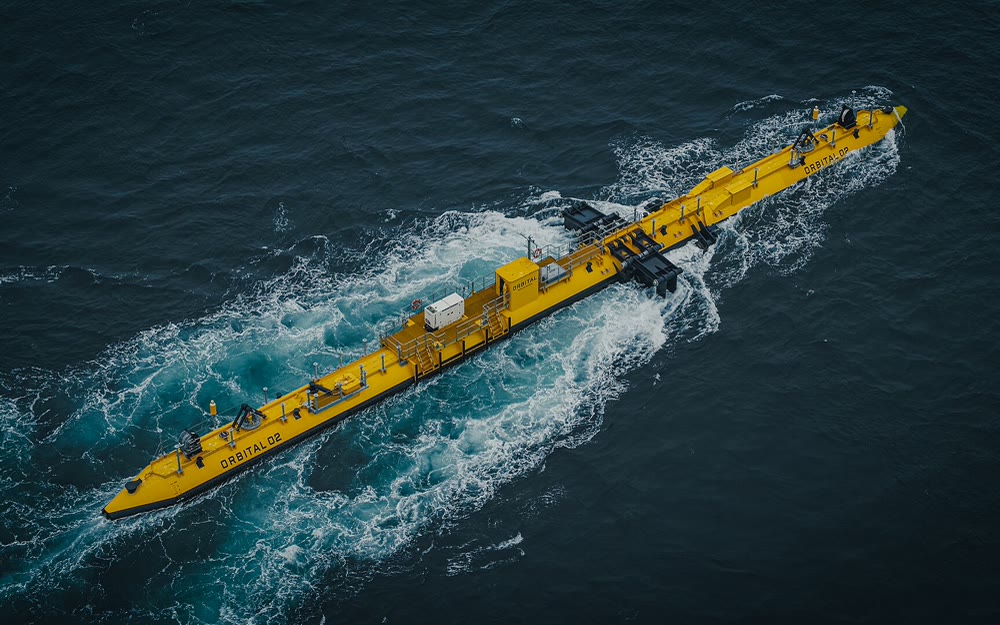
The tide is on a timetable set by the moon. The swell arrives days in advance. The wind above them fills the gaps. Read together, the ocean gives us something no onshore resource can: firm, forecastable, grid-scale power.
The wind, made visible.
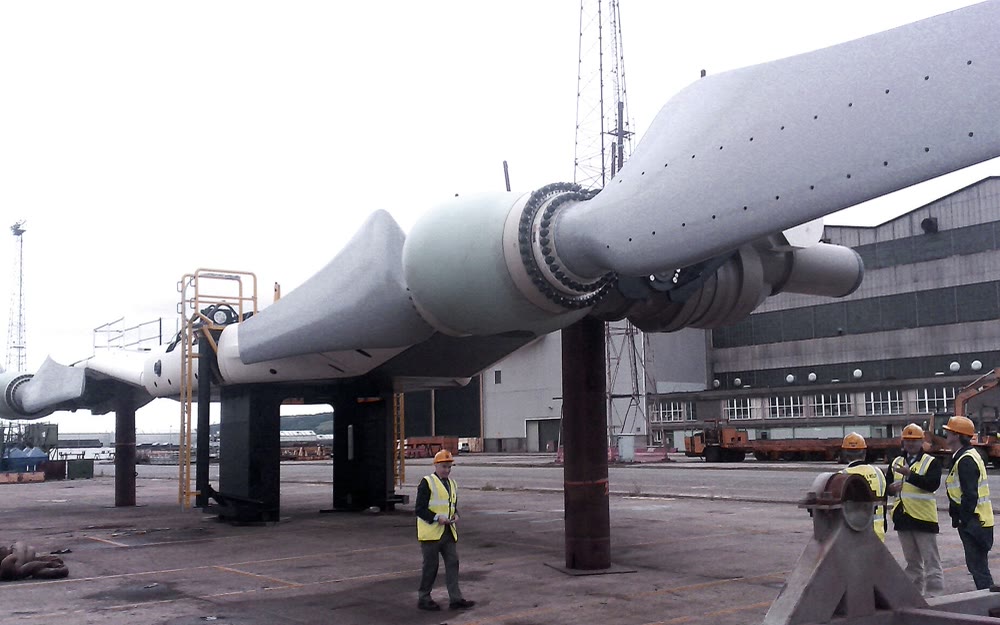
We design the converters, not just the sites — larger rotors, direct-drive generators, and tidal turbines with a fraction of the moving parts. Every one is modelled in the same flow you're watching move across this screen.
One current, three sources, no smoke.
Three ocean resources feed one export cable. Wave and tidal supply the firm base; offshore wind lifts the peak. Co-locating them on a single grid connection is what lets us offer a delivery profile a utility can actually plan around.
Seven sites, one North Atlantic system.
 480 MW
 96 MW
96 MW
 40 MW
40 MW
 320 MW
 130 MW
 60 MW
60 MW
 210 MW
We build power stations in the sea — and the sea is not ours to spend.
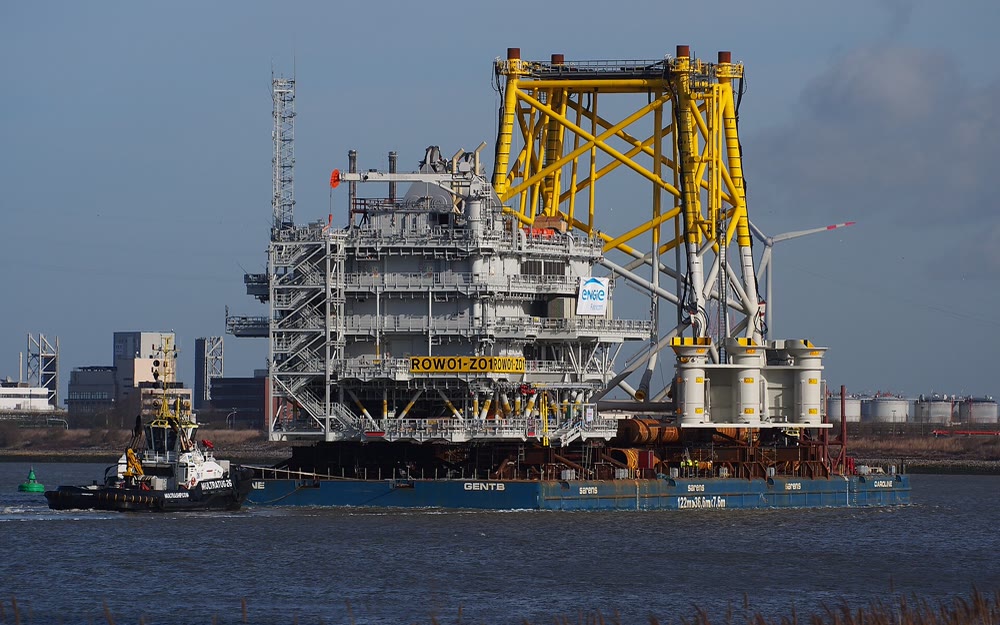
Every project is bonded for full removal before it generates a watt. We route cables around spawning grounds, schedule pile-driving around marine-mammal seasons, and publish the monitoring data rather than filing it away.
Firm, not intermittent
A single wind farm is weather. A co-located system of wave, tidal and wind, read against a tide table, is closer to baseload — which is the only thing that lets ocean energy actually retire a gas plant.
Built to outlast us
Twenty-five year design lives, direct-drive machines with fewer failure points, and service programmes that assume the array is still earning in 2050. Ocean energy only pays if it lasts.
What we're building, and what we're learning.
Seaward signs a 15-year power purchase agreement
A new long-term PPA underpins the Firth Hybrid Node, giving the project the revenue certainty to reach financial close. Co-located…
18 Jul 2026How we survey a seabed before a single pile goes in
Two years of metocean data, geophysical survey, benthic ecology and bird-and-mammal monitoring go into every consent we file. This is…
18 Jul 2026Corryvreckan cleared for a second tidal array
The Marine Directorate has consented a 60 MW extension to our Inner Hebrides tidal site, doubling its capacity. Tidal remains…
Grid operators, investors, supply chain — let's talk.
Whether you're procuring firm clean power, financing the next array, or building the vessels and cables that make it happen, tell us what you're after and our partnerships team will follow up within two business days.